


Unleash Imagination: Exploring the Magic of Art and Music in Your Homeschooling Journey
Every child has a unique spark of creativity just waiting to be ignited. For homeschooling families, integrating art and music into the curriculum can turn traditional learning into a joyful exploration. These subjects are not mere extras; they play a crucial role in fostering imagination and critical thinking. Here, we explore how art and music can elevate your homeschooling experience and encourage young minds to flourish.
The Importance of Art in Homeschooling
Art serves as a strong vehicle for self-expression. By engaging in practices like painting, drawing, and sculpture, children can convey their emotions and thoughts more vividly than with words alone. For example, a child might create a painting to express feelings about a friendship or draw a comic to tell a story. Participating in art also helps develop essential fine motor skills and promotes creative thinking.
Research indicates that art education can enhance cognitive functions. A study by the Arts Education Partnership found that students involved in art demonstrate improved problem-solving skills and better performance in core subjects like math and reading. Encouraging your child to try different artistic styles—such as Impressionism or abstract art—will boost their confidence as they create unique pieces that reflect their individual perspectives.

The Power of Music Education
Music is equally crucial for nurturing creativity and emotional growth in children. Learning to play an instrument, like the piano or guitar, can enhance memory and strengthen language skills. A study from the University of California found that children who received music instruction scored 40% higher on standardized tests compared to their peers who did not.
Incorporating music into your homeschooling can be as simple as exploring different genres together, such as jazz or classical, practicing instruments, or even writing your own songs. Activities like singing and dancing can serve as joyful expressions of feelings and become meaningful family bonding experiences that foster a love for the arts.

Creating a Comprehensive Creative Curriculum
To fully harness the benefits of art and music, consider developing a comprehensive curriculum that integrates these subjects across various academic areas.
For instance, when studying world history, explore the impact of art and music from different cultures. You might create art projects inspired by Ancient Egyptian hieroglyphics or listen to the traditional folk songs of the region you are studying. Such connections not only make learning relevant but also allow children to say, “I can see how this relates to my world.”
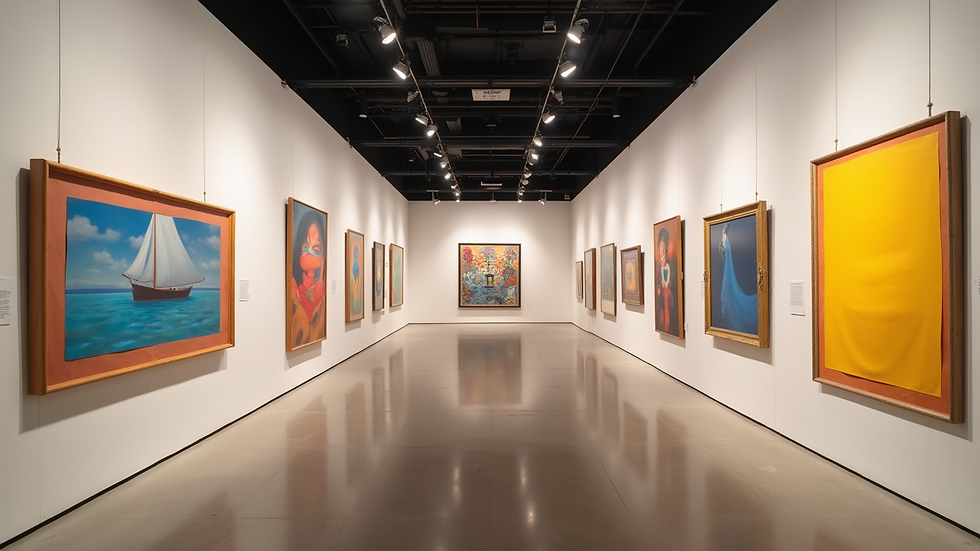
Moreover, regular visits to museums or local art exhibitions can offer real-world inspiration and context. Field trips to concerts, ballets, or theater performances not only enhance appreciation for the arts but also provide a shared experience that can foster discussions back at home, creating lasting memories.
Final Thoughts
Integrating art and music into your homeschooling journey opens the door to unlocking a child’s creative potential. By fostering a deep appreciation for these subjects, you enhance their educational experience and equip them with vital life skills. Embrace creativity in your teaching approach and watch as your child's imagination blossoms. Let the exploration of art and music transform education into an engaging adventure—one brush stroke and melody at a time.
With a commitment to creativity, you can cultivate an enriching learning environment that celebrates artistic expression and inspires lifelong passions. Happy homeschooling!


Comments